 Social media
- Digital detox
- 2 min read
Doomscrolling statistics: what the studies measure and what they don't
Phone time, mental health and what cuts use, with the source and exact claim behind each number, and what each study doesn't prove.
By Offimo Team · updated October 22, 2026
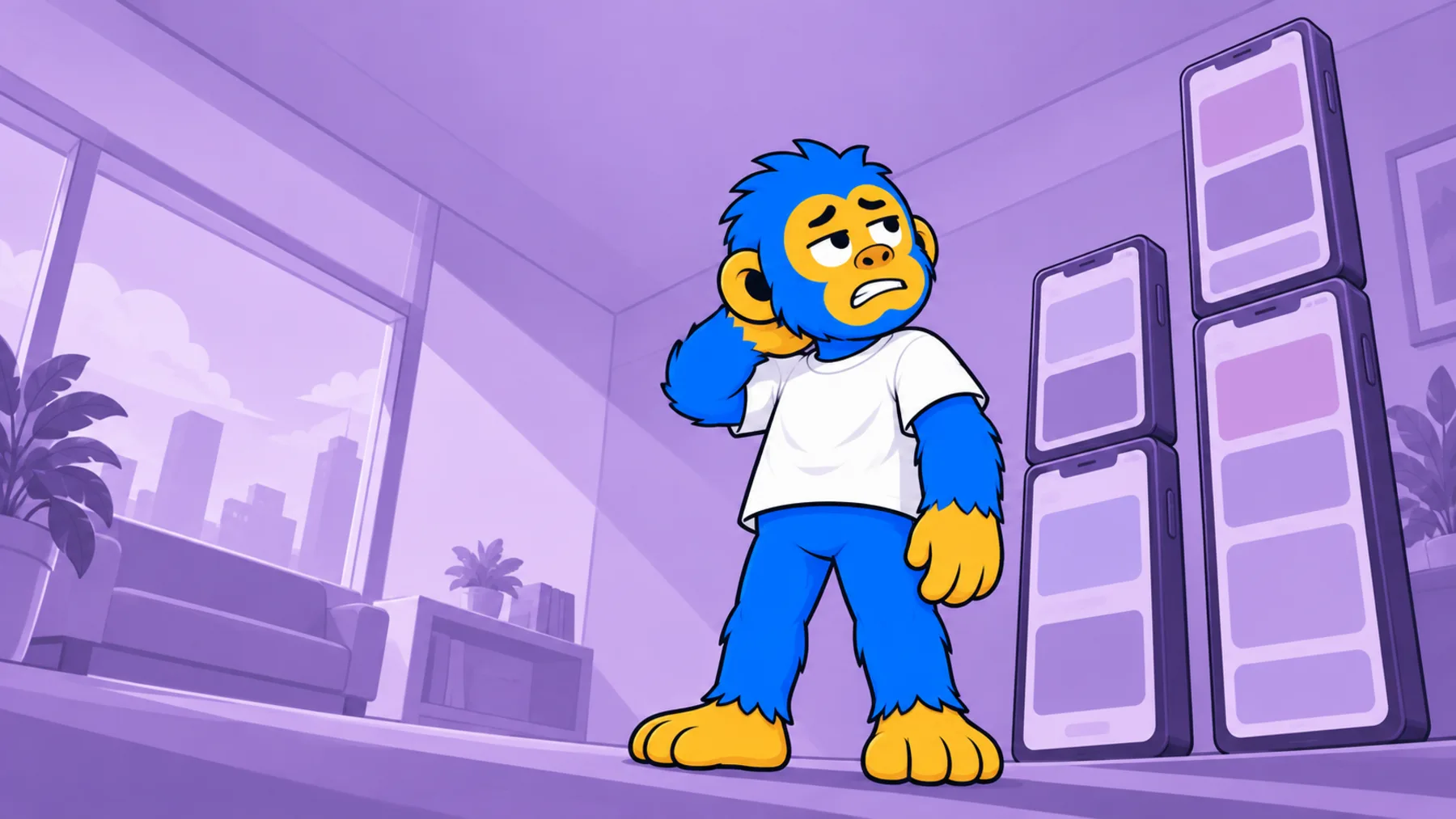
There is no reliable number for how long people spend doomscrolling, which strictly means scrolling bad news you can't put down. What exists are measures of phone time, of social media use, and of how use changes when there are limits or a pause. This page collects those numbers with the source and exact claim for each, and says what each one doesn't prove. If nobody measured it, we don't claim it.
Phone time
According to DataReportal (Digital 2025: Device Trends), average mobile phone use worldwide is 3h46 a day. That is a global average of phone use, not of doomscrolling or of social media.
According to the Common Sense Media census (2021), teens spend 8h39 a day on entertainment screen media and tweens aged 8 to 12 spend 5h33. The survey is from the United States and from 2021, so it doesn't describe any country today.
What shows up as associated, with no proof of cause
According to Sohn and colleagues (BMC Psychiatry, 2019), a systematic review and meta-analysis of 41 studies and 41,871 children and young people found an association between problematic phone use and:
- depression, with 3.17 times the odds;
- anxiety, with 3.05 times the odds;
- poor sleep, with 2.6 times the odds.
The data is from children and young people, not adults. And it is association: heavy use and low mood go together, and the study doesn't say which comes first or that phones cause any of it.
Self-control
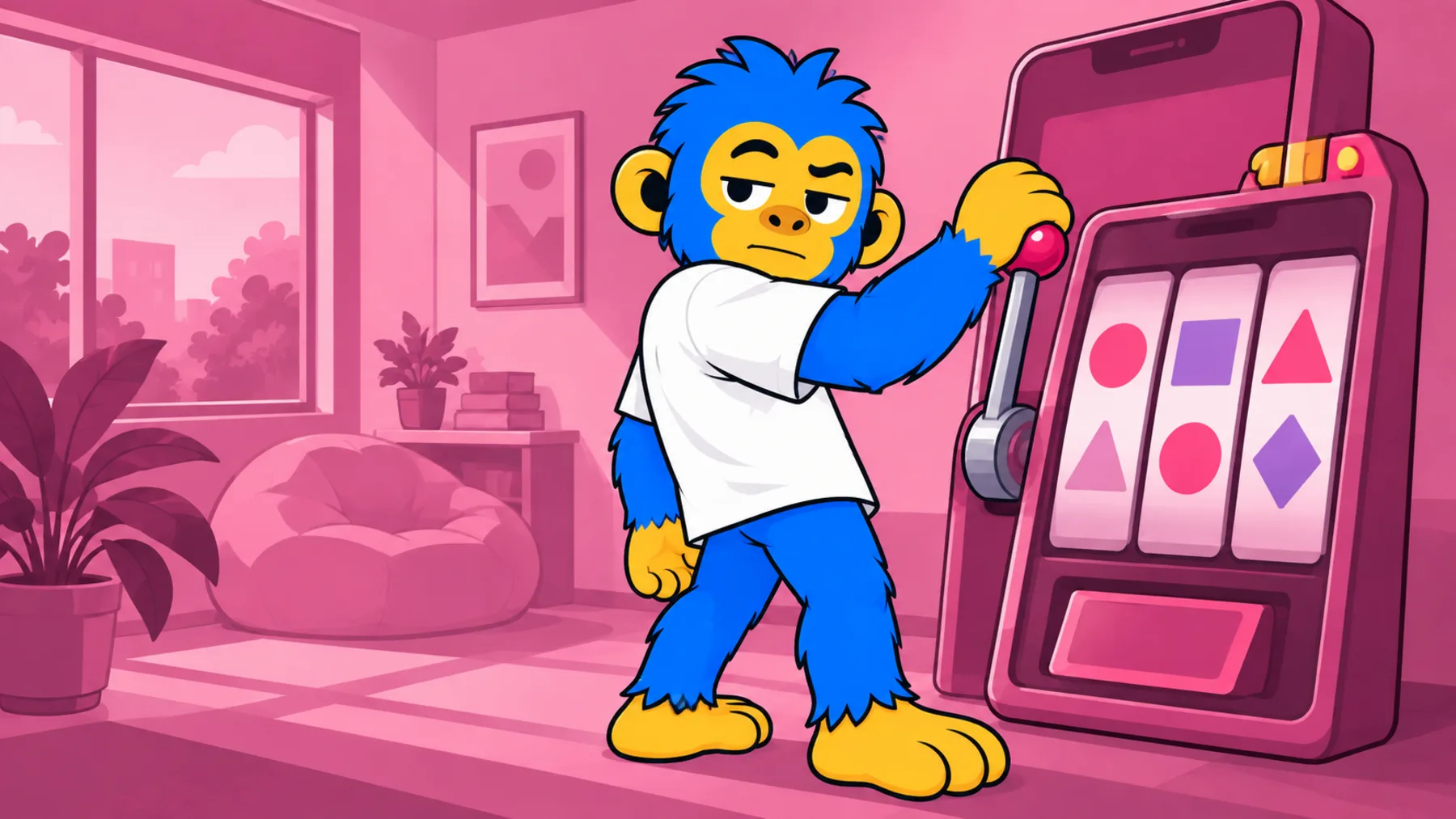
According to Allcott, Gentzkow and Song (American Economic Review, 2022), 31% of social media use came from self-control problems, not from wanting to be there. When people could set limits on their own future screen time, their use fell substantially. The study covers social media in general.
What cut use
According to Grüning and Lorenz-Spreen (PNAS, 2023), 280 participants used the one sec app for six weeks, which puts a one-second pause before certain apps open. 36% of the time, people closed the app instead of opening it, and by week six, attempts to open them were 37% lower than in week one. The study measures openings, not screen time, and it tested one sec, not Offimo.
Offimo uses the same principle of a pause before the app opens. The result above is one sec's, not our app's.
The full sources, one by one, are on the science page.
For today
Open Settings → Screen Time, find the app where you lose the most time this week, and pick one single change to make to it today.
Frequently asked questions
Is there an official number for how long people spend doomscrolling?
No. The studies cited here measure phone time and social media use in general, not scrolling bad news in particular. Any figure presenting 'doomscrolling time' as a direct measurement deserves suspicion.
Does doomscrolling cause depression and anxiety?
This page doesn't show that. The meta-analysis by Sohn and colleagues (2019) found an association between problematic phone use and those outcomes in children and young people, and it can't say which comes first.
What does research show reduces use?
A rule set in advance. Allcott, Gentzkow and Song (2022) saw use fall when people could fix limits on their own future time, and Grüning and Lorenz-Spreen (2023) saw fewer attempts to open apps with a one-second pause.
Keep reading
Social media Digital detox
 Wellbeing


























The next quick look is going to happen.
This time, we'll be there to help! You get to choose.
7 days free · iPhone with iOS 18 or later